NOVA: School Student Governance Project Report
Project information
Grant Program: Youth Connect for Ukraine – British Council Ukraine
Regional Partner: NGO “Youth Space”
Location: Uzhhorod, Zakarpattia Region, Ukraine
Implementation Period: April – May 2025
Executive Summary
Transforming Student Leadership Through Democratic Governance
The NOVA project revolutionized student council effectiveness across Uzhhorod schools by addressing the critical gap between formal student governance structures and meaningful youth participation. Through intensive leadership training, organizational reforms, and strategic partnerships with educational authorities, we transformed passive student bodies into active democratic institutions.
“We believe that democratic school environments begin with active students who know how to make decisions, understand their role in the community, and have tools for influence.”
Key Results & Impact
Young People Trained
%
St. Gov. Efficiency Increase
People Reached Online
%
Students Positive Feedback
Results Comparison with Planned Targets
| Key Performance Indicator | Target | Actual Result | Achievement % | Status & Notes |
|---|---|---|---|---|
| Training Sessions Conducted | 2 | 2 | 100% | ✅ Completed as planned |
| Training Participants | 33 | 21 (14 registered) | 61% | ⚠️ School administration resistance significantly impacted attendance |
| Vulnerable Groups Inclusion | 0% | 10% | 1000% | ✅ 2 participants from vulnerable backgrounds |
| Online Campaign Reach | 250 | 372 | 148% | ✅ Digital engagement exceeded all expectations |
| Student Government Efficiency Increase | 65% | 80% | 123% | ✅ Measured through successful project implementations |
| Participants Understanding Governance Roles | 70% | 90% | 128% | ✅ Significant improvement in procedural knowledge |
| Full Training Course Completion | 90% | 90% | 100% | ✅ High retention rate among registered participants |
| Leadership Competency Growth | 80% | 80% | 100% | ✅ Assessed through pre/post training surveys |
| Student-Led Initiatives Created | 10 | 9 | 90% | ✅ High-quality, sustainable initiatives launched |
| Positive Student Feedback Rate | 70% | 100% | 142% | ✅ Universal positive response to training quality |
Training Programs Implemented
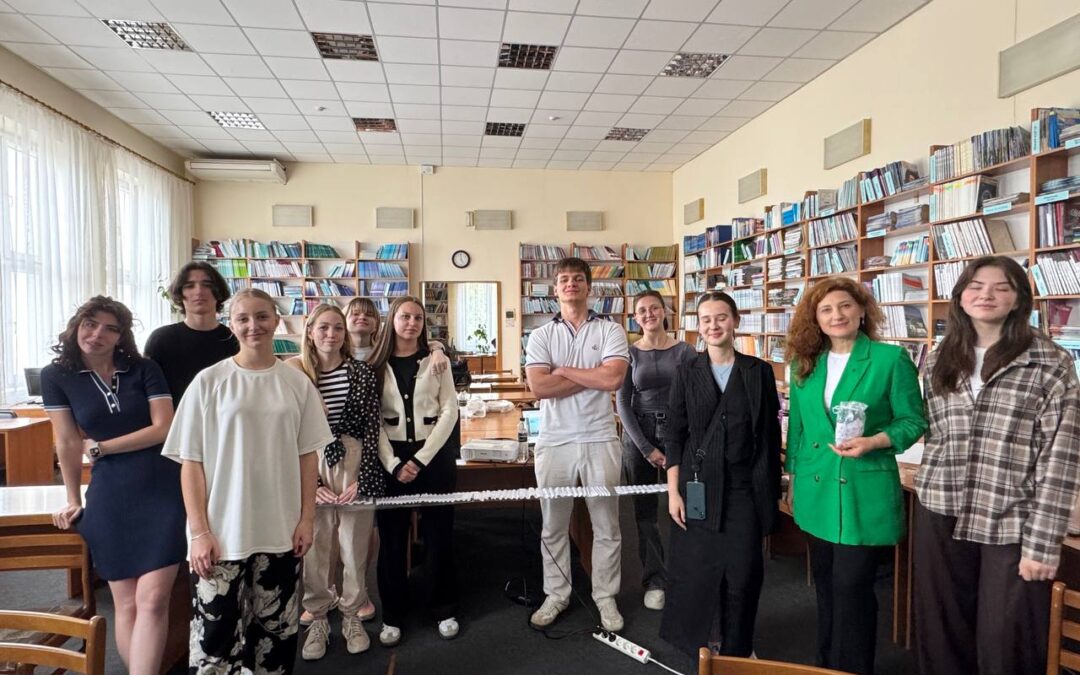
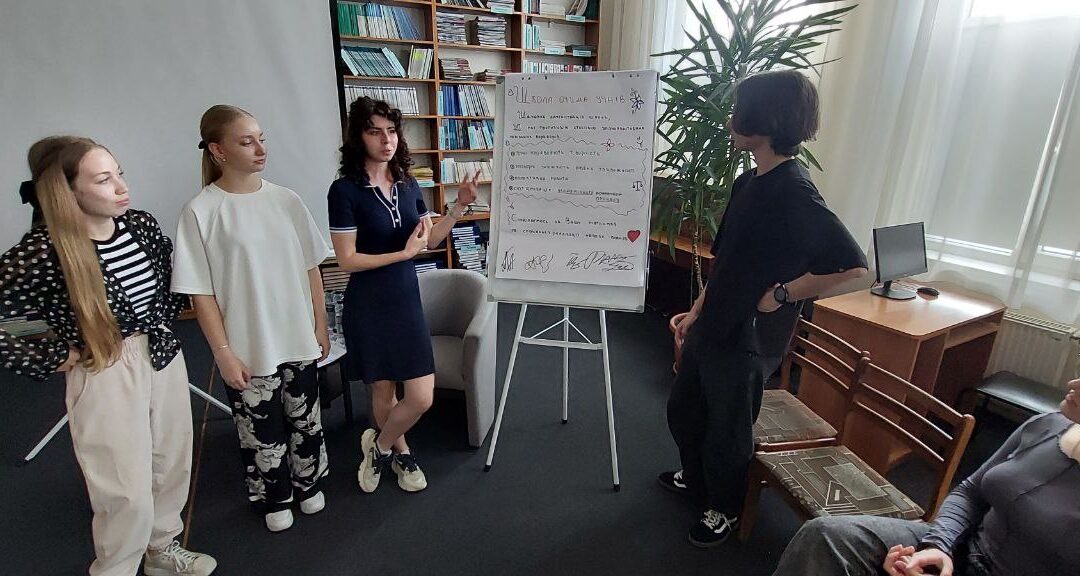
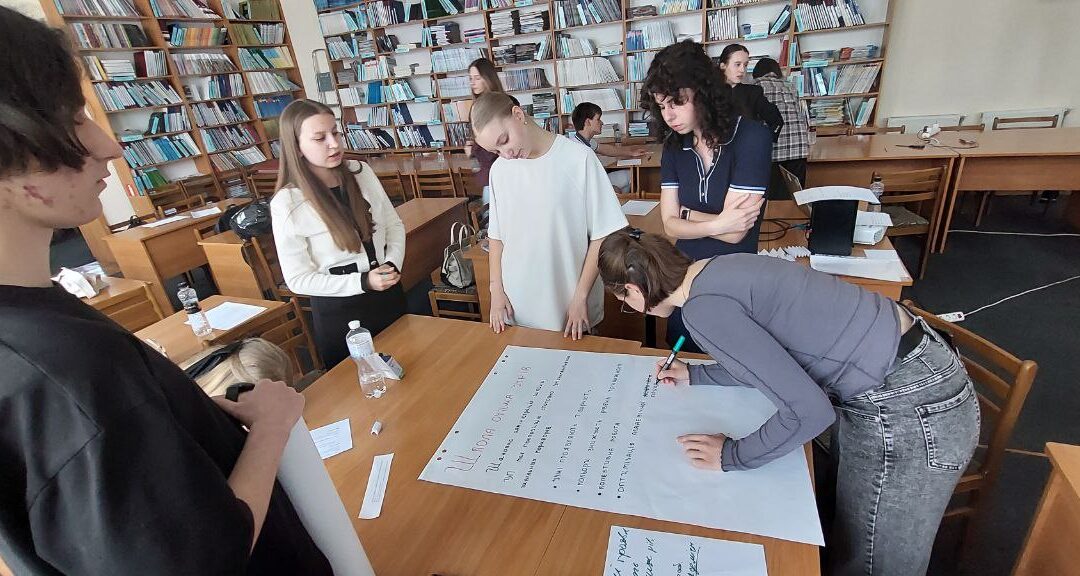
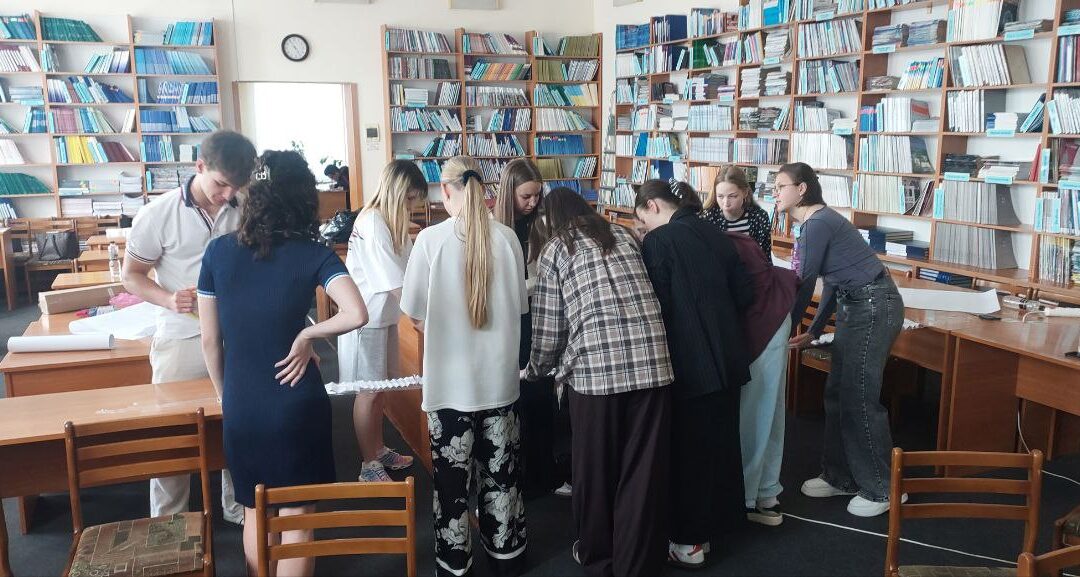
Training 1: Impact & Action - How to Manage, Initiate & Transform
Date: May 20, 2025 | Duration: 3 hours
Location: Transcarpathian Regional Universal Scientific Library
Facilitator: Mariia Symkovych
- Intro & expectations
- Module1: Leadership in the 21st century
- Module2: Governance as influence space
- Module3: Communication & dialogue
- Module4: Team values & tolerance
- Closing: "Manifesto of Impact" & visioning
Training 2: Leadership & Communication in Student Government
Date: May 28, 2025 | Duration: 3 hours
Location: Transcarpathian Regional Universal Scientific Library
Facilitator: Mariia Rushchak
- Advanced assertive communication techniques
- Complex decision-making scenarios
- Inter-school collaboration strategies
- Sustainable governance structure implementation
- Conflict resolution within student councils
Sustainability & Long-term Impact
Sustainable Impact Framework
- Structural Sustainability: New student governance structures continue operating independently post-project
- Educational Legacy: Methodological materials integrated into school programs, accessible to all institutions
- Community Platform: Inter-school experience sharing network established and active
- Institutional Support: Student initiatives receive ongoing support from local authorities
- Cultural Transformation: Students emerge as genuine agents of change within their school communities
Project Conclusion
The NOVA project successfully bridged the gap between formal student governance structures and authentic youth leadership. While administrative resistance limited our quantitative reach, the qualitative impact exceeded all expectations. Every participating school implemented learned elements, demonstrating real institutional change that will benefit students for years to come.
Most importantly, the project proved that with limited resources but strategic focus, small-scale interventions can create lasting systemic change in educational institutions. The trained student leaders now serve as catalysts for democratic participation, carrying forward the skills and confidence needed to transform their school communities
Media