SPARK: Youth Advocacy Project Report
Project information
Grant Program: Youth Connect for Ukraine – British Council Ukraine
Regional Partner: NGO “Youth Space”
Location: Uzhhorod, Zakarpattia Region, Ukraine
Implementation Period: April – June 2025
Executive Summary
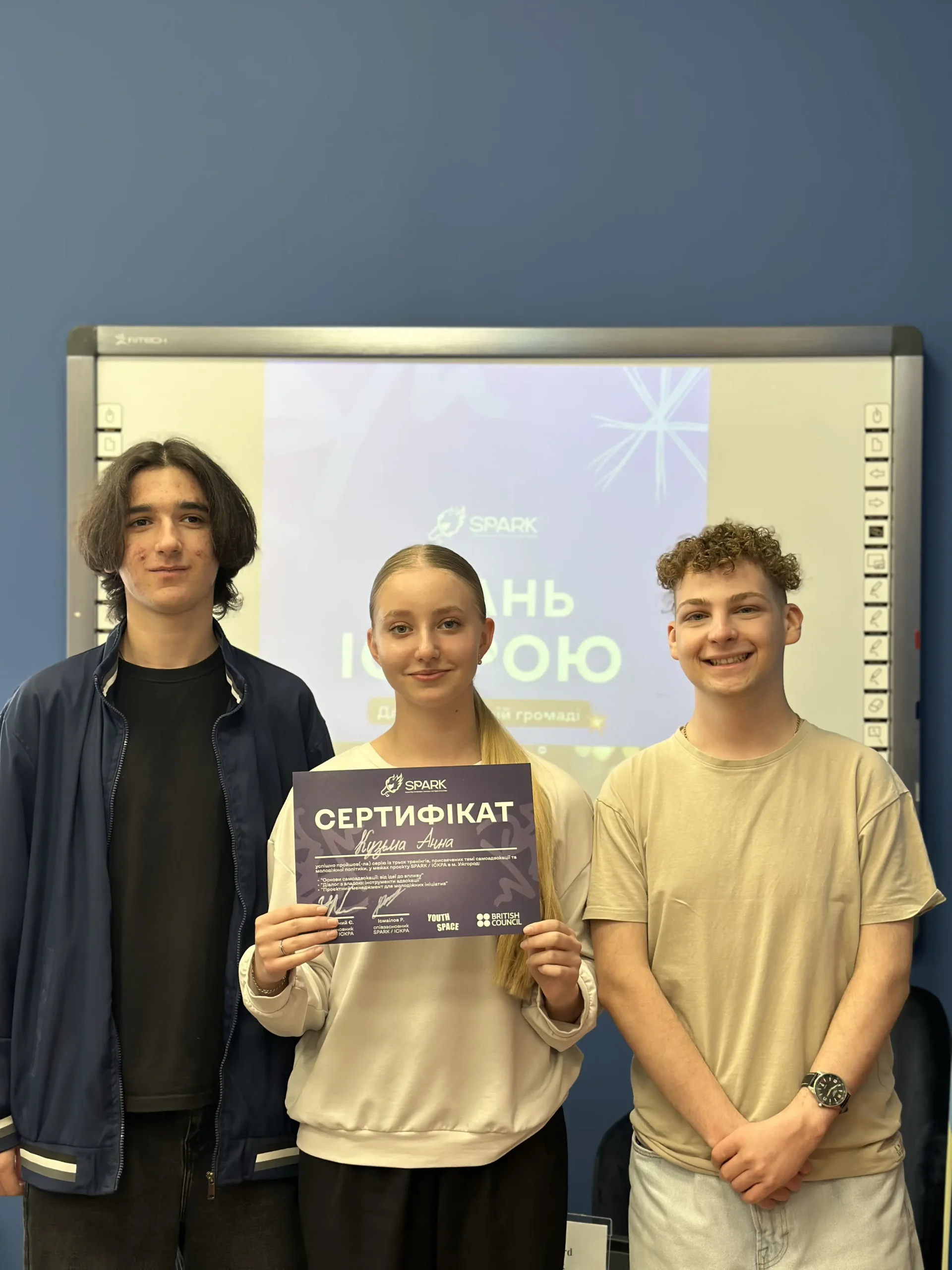
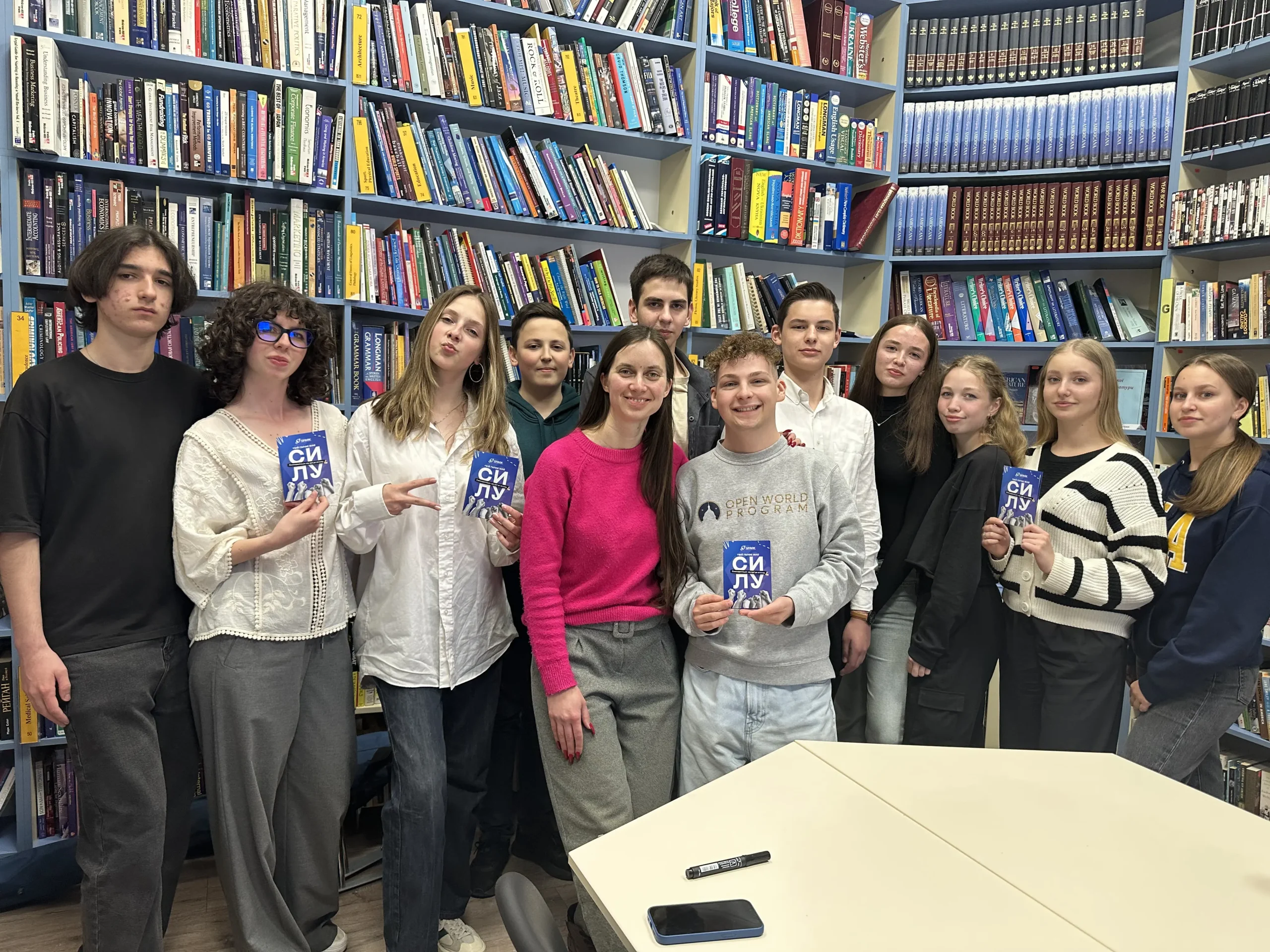
The SPARK project addressed the critical challenge of limited youth participation in local decision-making processes in Zakarpattia. Through comprehensive self-advocacy training, we empowered young people aged 14-20 to become active agents of change in their communities. Despite facing unexpected challenges from educational institutions and local government scheduling conflicts, the project successfully trained 31 participants and achieved significant skill improvements across all competency areas
Key Results & Impact
Young People Trained
%
Overall Skill Improvement
People Reached Online
%
Continued Engagement Rate
Results Comparison with Planned Targets
| Key Performance Indicator | Target | Actual Result | Achievement % | Status |
|---|---|---|---|---|
| Number of Training Sessions | 3 | 3 | 100% | ✅ Completed |
| Training Participants | 35 | 31 (51 registered) | 88% | ⚠️ Nearly achieved |
| Vulnerable Groups Representation | 25% | 22.5% | 90% | ⚠️ Nearly achieved |
| Skill Improvement Rate | 80% | 65% | 81% | ⚠️ Satisfactory |
| Online Campaign Reach | 250 | 2,207 | 882% | ✅ Exceeded |
| Engagement Rate | 15% | 13% | 87% | ⚠️ Nearly achieved |
| Municipal Visit | 1 visit, 25 participants | Postponed | 0% | ❌ Delayed |
Training Programs Implemented
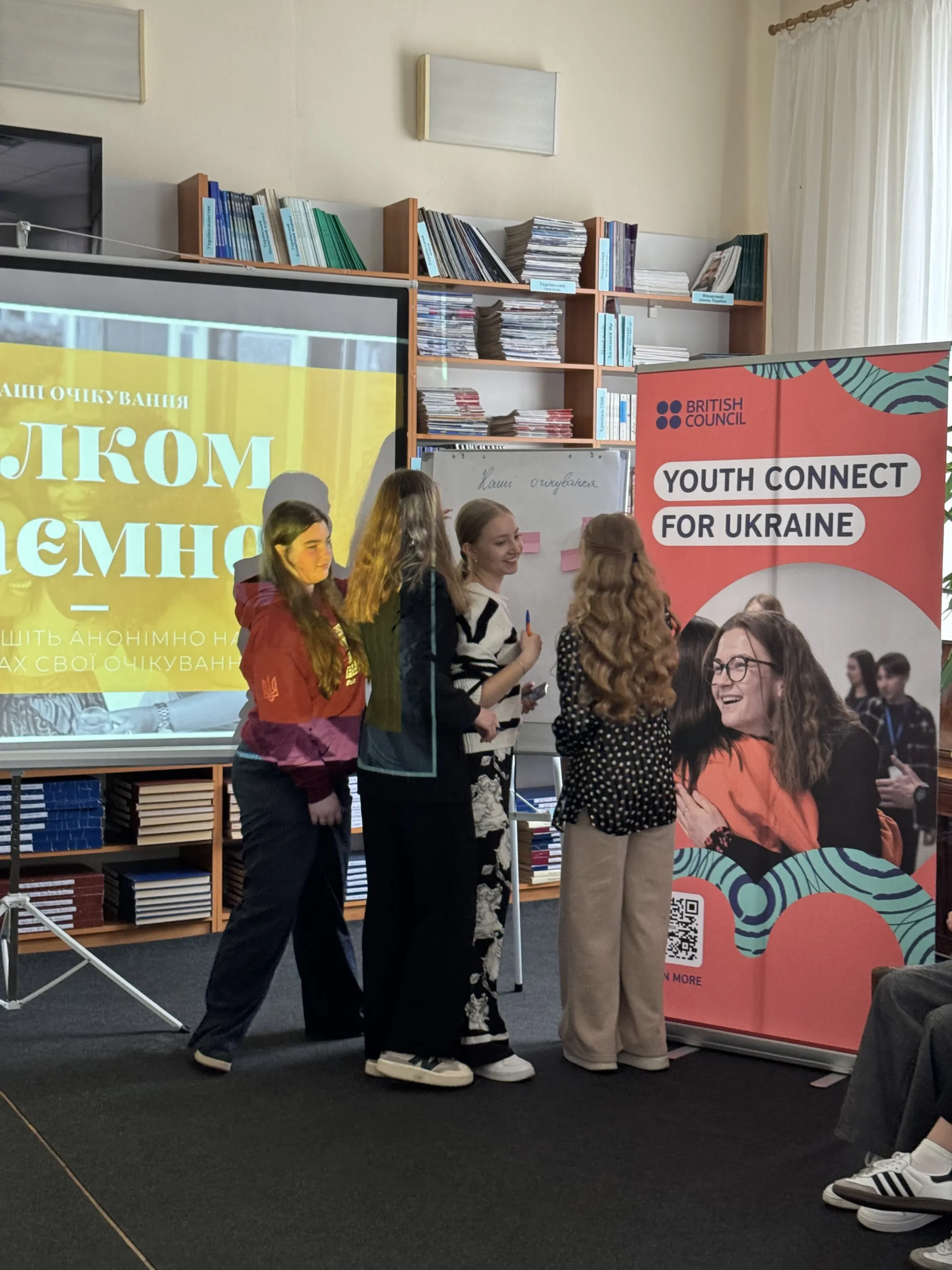
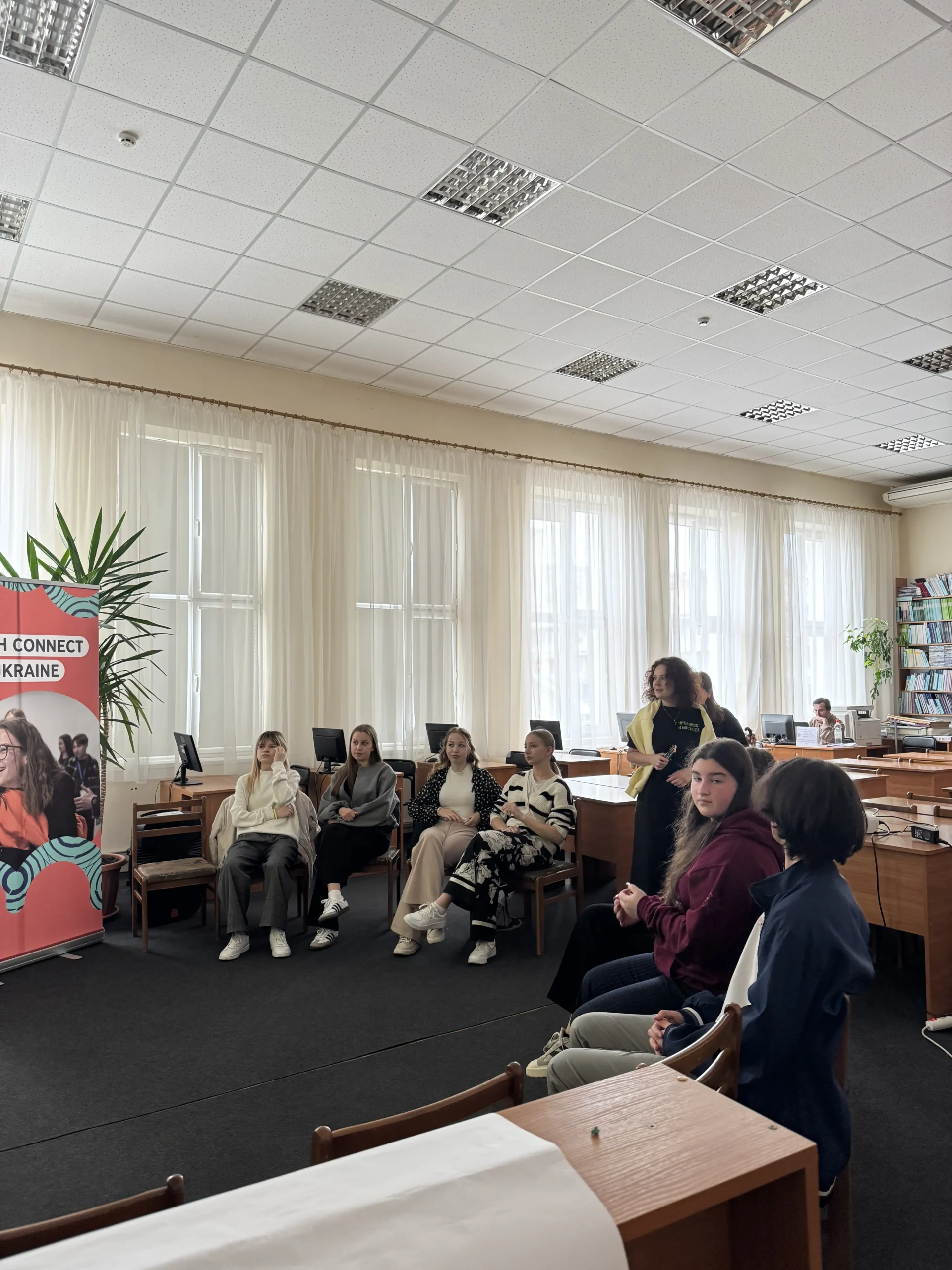
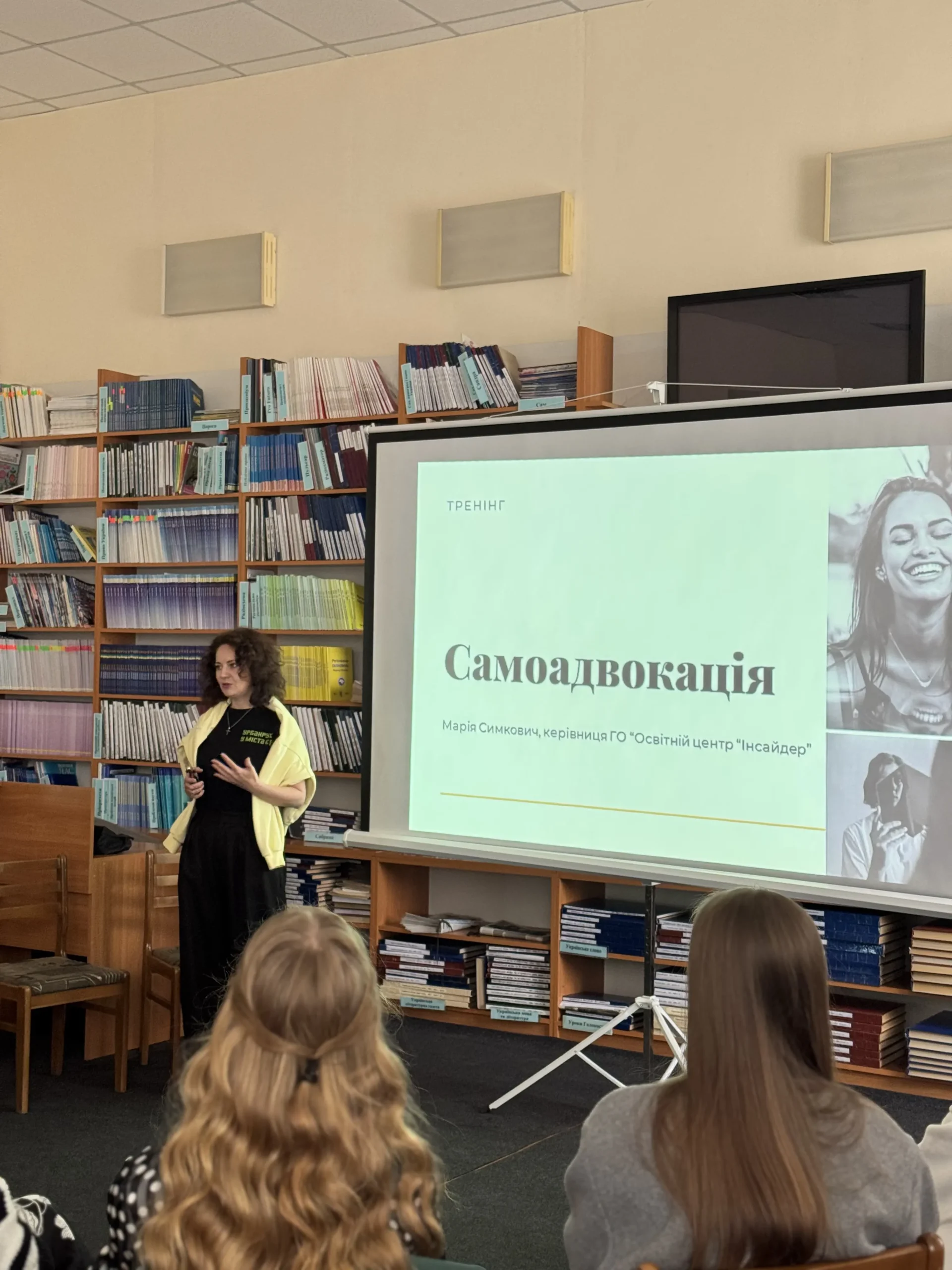
Training 1: Foundations of Self-Advocacy - From Idea to Impact
Date: May 7, 2025 | Duration: 4 hours
Location: Transcarpathian Regional Universal Scientific Library
Facilitator: Maria Symkovich
Participants: 9 people (7 women, 2 men; 2 from vulnerable groups)
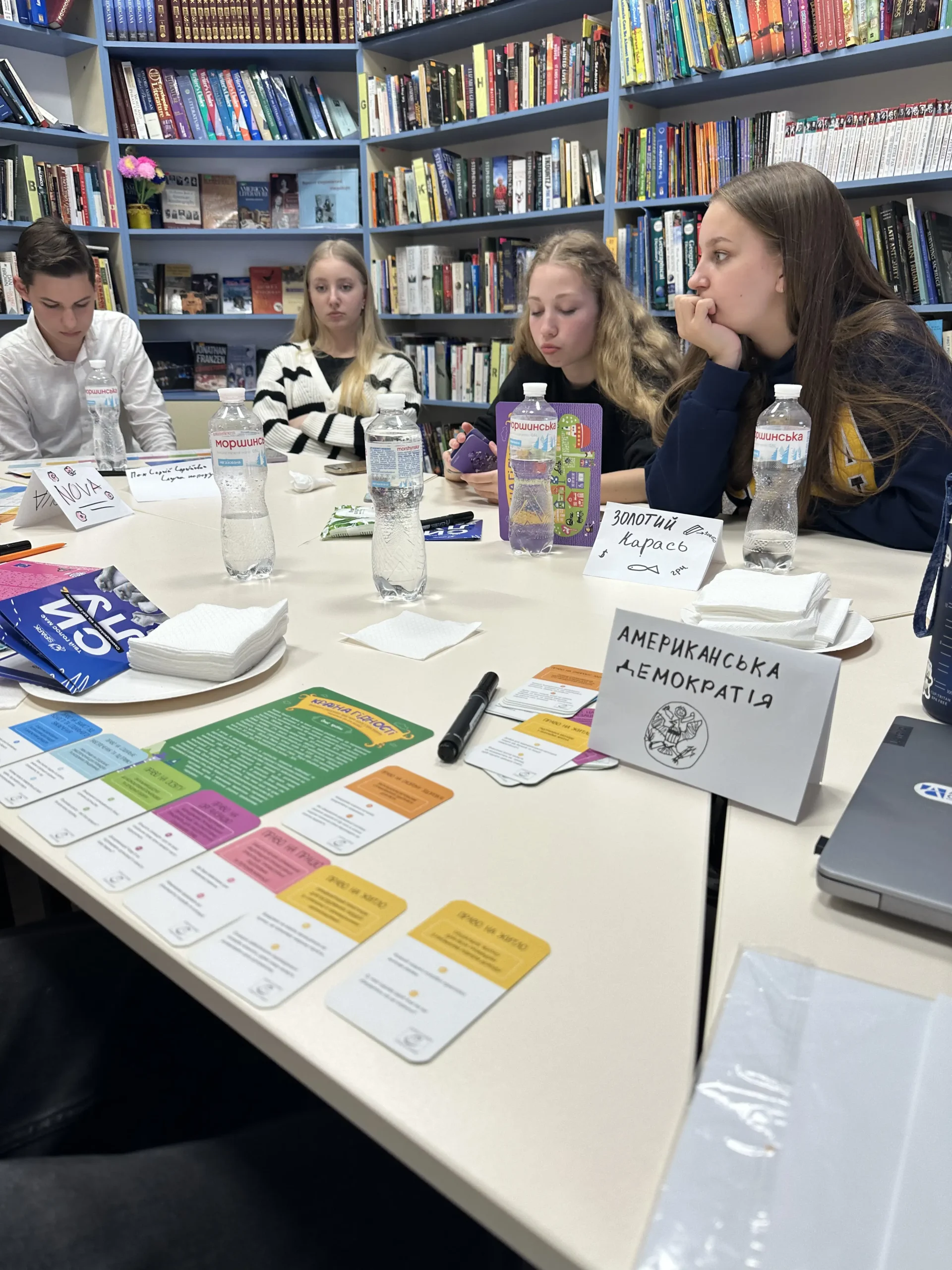
Key Topics: Advocacy principles, Hart's Ladder methodology, communication skills, elevator pitch techniques
Training 2: Dialogue with Authorities - Advocacy Tools
Date: May 9, 2025 | Duration: 4 hours
Location: "Window to America" Center
Facilitator: Olena Bilanina
Participants: 10 people (6 women, 4 men; 2 from vulnerable groups)
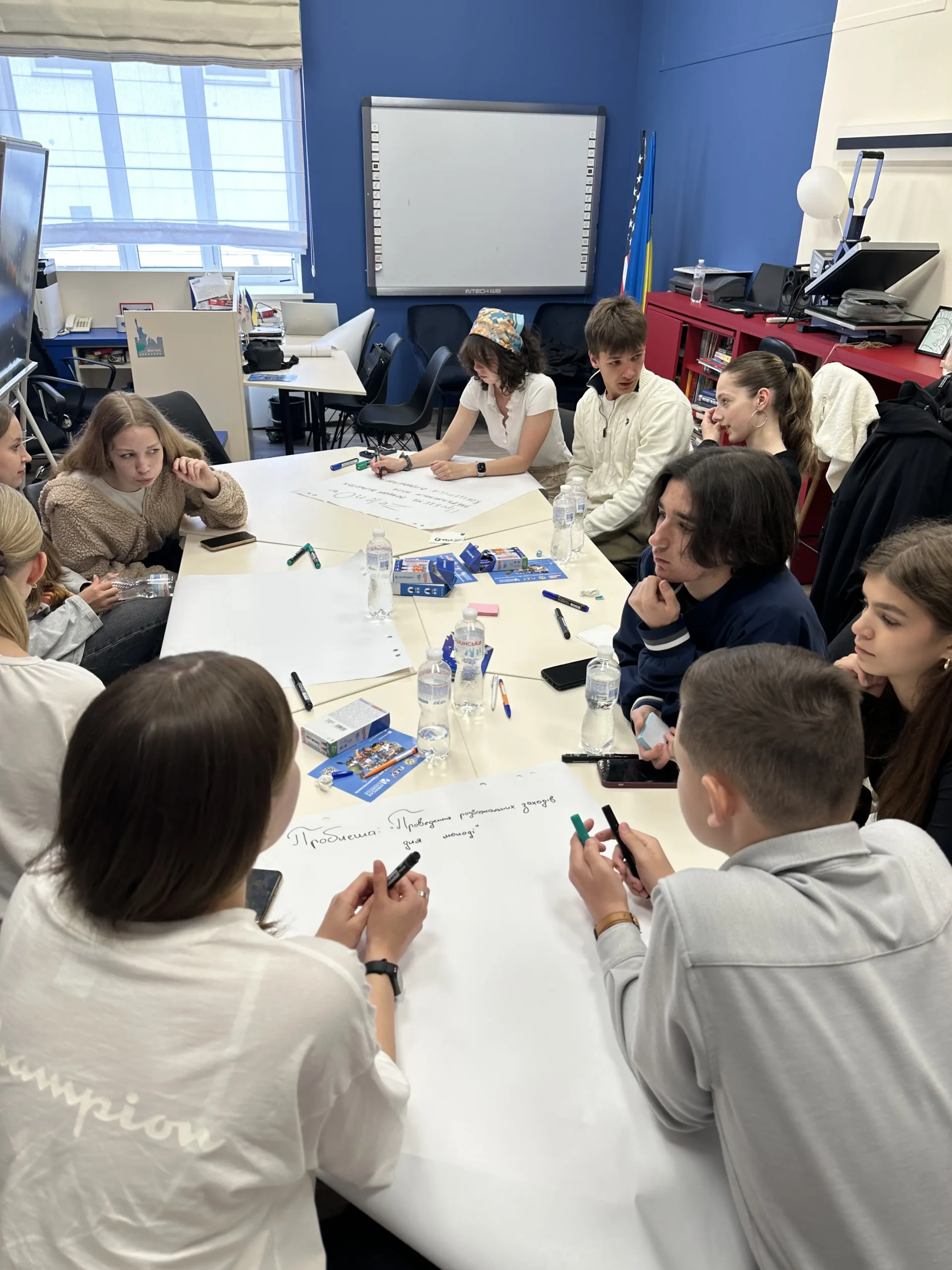
Key Topics: Youth policy structure, advocacy documentation, common mistakes, simulation exercises
Training 3: Project Management for Youth Initiatives
Date: May 11, 2025 | Duration: 4 hours
Location: "Window to America" Center
Facilitator: Yuriy Keretsman
Participants: 12 people (8 women, 4 men; 3 from vulnerable groups)
Key Topics: Project lifecycle, resource identification, pitching techniques, personal project development
Participant Demographics
| Category | Total | Women | Men | Vulnerable Groups | Average Age |
|---|---|---|---|---|---|
| Registration Database | 51 | 38 | 13 | 9 (18%) | 16.14 years |
| Actual Participants | 31 | 21 | 10 | 7 (22.5%) | 15.00 years |
| Unique Participants | 15 | 9 | 4 | 4 (27%) | 15.06 years |
Note: Vulnerable groups included internally displaced persons (IDPs) and participants with disabilities, based on self-identification.
Measured Skill Development Outcomes
Using pre/post Likert scale surveys (1 = strongly disagree, 5 = strongly agree), we measured significant improvements across all competency areas:
| Competency Area | Before Training | After Training | Improvement | % Growth |
|---|---|---|---|---|
| Understanding self-advocacy and community impact | 2.42 | 4.42 | +2.00 | 83% |
| Knowledge of youth participation mechanisms | 2.25 | 4.25 | +2.00 | 89% |
| Effective communication with authorities | 2.08 | 3.58 | +1.50 | 72% |
| Advocacy campaign planning skills | 2.50 | 4.00 | +1.50 | 60% |
| Project management for youth initiatives | 3.25 | 4.33 | +1.08 | 33% |
Overall Skill Improvement: 65% – Representing an 8.08 point increase across all measured competencies (from 12.50 to 20.58 total points)
Key Challenges & Adaptations
Time Constraints
Implementation period compressed to 1.5 months instead of optimal 3 months, limiting promotion opportunities and partner engagement. This particularly affected the online campaign’s organic growth potential
Staffing Risks
Unexpected circumstances affected one co-leader, concentrating organizational workload on remaining team members. However, this demonstrated project structure resilience and adaptability
Educational Instituions Resistance
Most significant unexpected barrier was opposition from some schools regarding student participation during academic hours, despite official advance notifications. Several directors refused to release students for training
Government Logistics Delays
Communication with Uzhhorod City Council experienced significant delays due to key personnel being on leave and urgent business trips. The educational visit was postponed and ultimately rescheduled for mid-June 2025
Communication & Outreach Strategy
Instagram Posts
Followes Gained
Views
Interactions
Platform Strategy
- Instagram: Primary platform chosen due to 66% daily usage among 16-35 age group
- Telegram: Private community “SPARK / info chat” for consultations, materials sharing, and graduate networking
- Email: Official communications including certificates and detailed program information
Strategic Partnerships
British Council Ukraine
Primary funding through Youth Connect for Ukraine program
NGO “Youth Space”
Regional implementation partner
Zakarpattia Regional Administration
Department of Education, Science, Youth and Sports
Uzhhorod City Council
Department of Culture, Youth and Sports
Project Conclusion
The SPARK project successfully laid the foundation for enhanced youth civic participation in Transcarpathia despite facing significant implementation challenges. The project created a community of young change agents and opened dialogue channels with local authorities. While not all quantitative targets were fully achieved, the 65% overall skill improvement and exceptional online engagement (882% of target reach) demonstrate the initiative’s strong impact potential.
The completion of this grant period represents not an ending, but the beginning of new opportunities. The team is actively seeking additional resources to scale SPARK’s impact and deepen its influence on youth advocacy capabilities across the region.
The experience and adaptations from this pilot implementation provide a solid foundation for refining methodologies for future youth self-advocacy initiatives throughout Ukraine.
Media